
A simple, step-by-step guide for UK drivers
Rain, spray and standing water are familiar challenges on UK roads. Before a commute, school run or weekend drive, a few minutes spent checking your tyres can help you spot problems before you set off. Follow this practical checklist in order—and if a tyre needs replacing, you’ll know what to do next.
What you’ll need
A tyre-pressure gauge or reliable air pump, your vehicle handbook or pressure-label information, and a 20p coin for a quick preliminary tread check. A tread-depth gauge is more accurate. Carry out the inspection somewhere safe, with the car parked on level ground and the engine off.
Step 1: Look over all four tyres
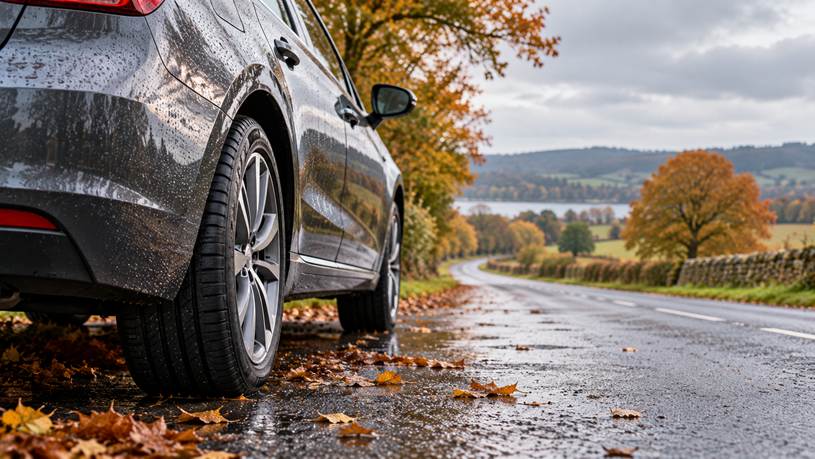
Walk around the vehicle and inspect each tyre, including the inner and outer sidewalls where you can safely see them. Look for cuts, cracks, bulges, exposed cords, nails or other objects embedded in the rubber. Check for unusual wear on one edge or in the centre of the tread.
If you notice a bulge, significant damage or a suspected puncture, do not ignore it or assume the tyre is safe because it still holds air. Seek advice from a qualified tyre professional before continuing to drive.
Step 2: Check the tread depth
For cars in the UK, the legal minimum tread depth is 1.6mm across the central three-quarters of the tyre and around its entire circumference. Because tread helps move water away from the contact area, don’t wait until a tyre is at the legal limit before considering replacement.
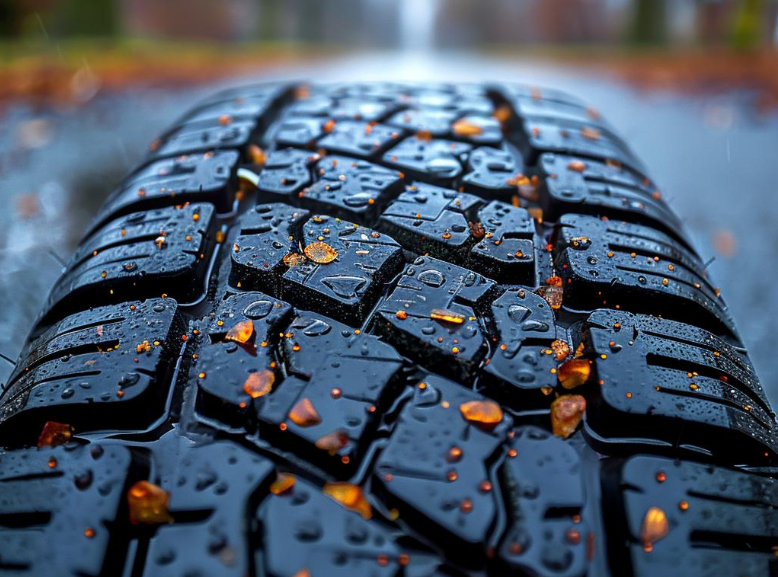
For a quick check, place a 20p coin into the main tread grooves at several points around each tyre. If the coin’s outer rim is visible, the tread may be close to or below the legal minimum. This is only a preliminary check: use a tread-depth gauge or ask a tyre professional to confirm the measurement.
Step 3: Check tyre pressure while the tyres are cold
Find the recommended pressures in your vehicle handbook or on the manufacturer’s label, often inside a door frame or fuel flap. Use these figures rather than the maximum pressure shown on the tyre sidewall.
Use a gauge or air pump to measure each tyre and adjust it to the recommended pressure. Check at least monthly and before a long journey, ideally before driving far enough to warm the tyres. Remember the spare wheel if your vehicle has one. Incorrect pressure can affect handling, braking, fuel use and tyre wear.
Step 4: Confirm the right tyre specification
If a tyre needs replacing, check the size and specification printed on the sidewall and compare them with your vehicle handbook or manufacturer guidance. Don’t choose by price or appearance alone. Make sure the tyre is suitable for your vehicle, load requirements and driving conditions. If you’re unsure, ask a tyre professional to help identify the correct option.
Consider how you drive: everyday urban journeys, motorway miles, rural lanes and frequent winter travel may lead you to prioritise different features. Compare the specifications and performance information for individual tyres rather than assuming that every tyre in a price category performs the same way.
Step 5: Find a suitable replacement and book fitting
Once you know the required tyre size, search for matching options and compare the available models. Blackcircles allows UK drivers to look for tyres online and select fitting through its garage network. Mobile fitting may also be available in selected locations.
A useful next step: visit Blackcircles.com and enter your vehicle or tyre details to explore suitable options. Check the exact specification, fitting location, appointment availability and total price before ordering.
Step 6: Make a final pre-drive check
Before setting off, make sure the tyres look correctly inflated and that no obvious damage has appeared. Check your lights, windows, mirrors and washer fluid too. In wet conditions, leave a larger gap to the vehicle ahead, reduce speed when needed and avoid sudden braking or steering. The Highway Code says stopping distances are at least doubled in wet weather. Never drive through deep floodwater.
Your quick checklist
- Inspect all four tyres for damage or embedded objects.
- Check tread at multiple points—not just one groove.
- Measure pressure against the vehicle manufacturer’s recommended figures.
- Verify the replacement tyre’s size and specification before buying.
- Confirm fitting details and price before placing an order.
- Allow extra stopping distance and adjust driving to wet conditions.
Ready to sort your tyres?
You don’t need to be a mechanic to carry out these basic checks. A few minutes of inspection can help you identify when it’s time to get professional advice or replace a worn tyre. If replacement is needed, compare suitable options and fitting choices through Blackcircles before your next journey.
CHECK FIRST. COMPARE SMARTLY. DRIVE PREPARED.
Find your next tyres at Blackcircles.com
Disclosure: This article contains affiliate links. If you make a purchase through them, Trenzios may earn a commission at no extra cost to you.