
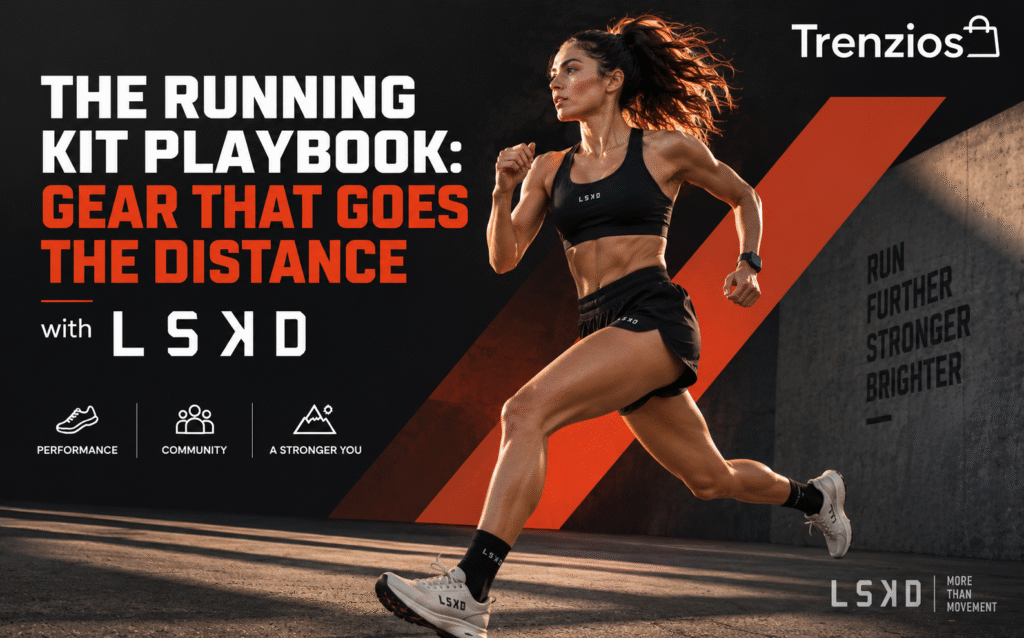
Running is the sport with the lowest barrier to entry and the highest cost of bad gear. Nothing gatekeeps you from lacing up — which is exactly why so many runs happen in whatever was in the drawer: the cotton tee that turns into a wet towel by kilometre three, the gym shorts whose liner announces itself at kilometre five, the bra that was never built for impact. In the gym, mediocre gear is an annoyance; on a run, it compounds with every stride. Runners don’t quit because of running. They quit because of chafe, bounce, blisters and gear that made kilometre eight feel like punishment.
LSKD comes at running from its functional-fitness roots with the same obsession it brings to training gear: technical fabrics at honest prices, designed in Loganholme, Australia, and built for people who train more days than not. The running range — dedicated men’s and women’s collections with running shorts, tights, bras and tees, headlined by the matching Accelerate sets — is backed by the store’s standing promises: free shipping on every order, LSKD Rewards on every purchase, and 15% off your first order through the app. Here’s how to build a running kit that disappears on the run — which is the highest compliment running gear can earn.
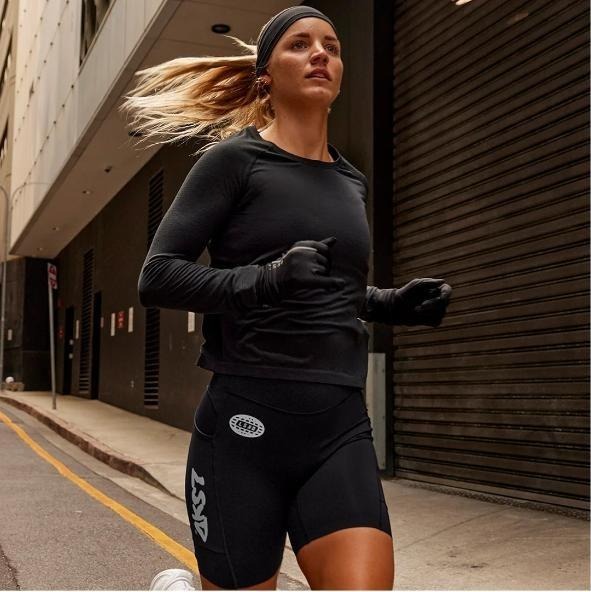
Image: LSKD (lskd.co)
Step 1: Audit the Runs You Actually Do
Before buying anything, describe your real running week — not the aspirational one. How many kilometres, on what surface, at what time of day, in what weather? A 5K lunchtime runner in Queensland heat needs a completely different kit than a pre-dawn half-marathoner in winter. Count the sessions per week too, because that number decides how many kits you need in rotation before laundry becomes the reason you skip a run. The audit’s output is simple: your distance, your climate, your time of day, and your weekly session count. Every purchase downstream answers to those four facts.
Step 2: Dress for Kilometre Eight, Not the Mirror
Running gear is judged at the point of failure, and failure lives late in the run. Fabric must wick and keep wicking when saturated — this is where technical knits earn their price over cotton absolutely every time. Seams must be flat where stride and arm-swing rub, waistbands must hold without folding, and shorts liners must support without chafing; a liner you notice at kilometre one is a liner that ends the run at kilometre eight. Buy the pieces built specifically for running rather than borrowed from training — the discipline of the sport is in the details, and so is the comfort.
Step 3: Support and Visibility Are Specs, Not Extras
Two categories deserve zero compromise. First, support: a running bra is impact equipment — choose by support level and fit, not by looks, and retire it when the elastic goes, because it works harder than any other piece you own. Second, visibility: if any of your running happens at dawn, dusk or worse, reflective details aren’t branding — they’re the difference between being seen at fifty metres and being seen at five. Check for reflective hits on the pieces you shortlist, and let the dark-hours runner in your audit veto anything invisible.
Built for the Long Run
▶ SHOP RUNNING at LSKD
Step 4: Build the Three-Run Rotation
Translate the audit into a small system: a hot-day kit (lightest shorts and tee or bra you can find), a cool-day kit (long sleeve, tights or leggings), and a long-run kit chosen purely for zero-friction comfort — the pieces that have proven they disappear after an hour. Matching sets like the Accelerate line make this simple, and not just cosmetically: sets are sized and cut to work together, and buying by kit removes the daily decision that costs runners their consistency. With rotation, each kit dries and recovers between sessions — three kits comfortably carry a five-run week.
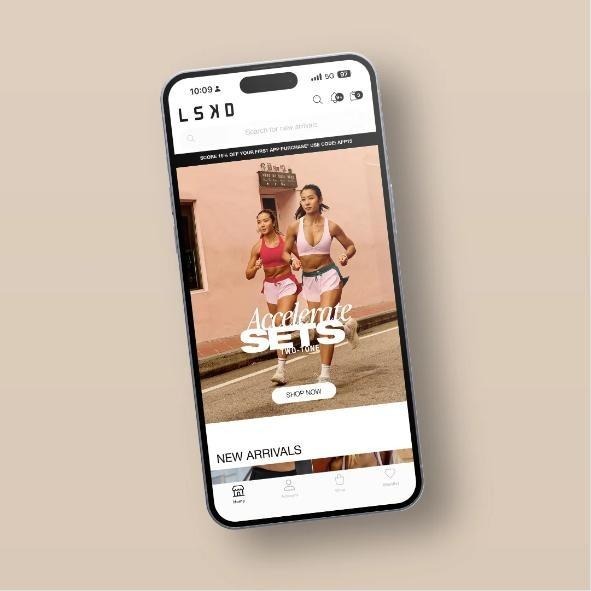
Image: LSKD (lskd.co)
Step 5: Plan the Run-to-Life Transition
Real runs are bracketed by real life — the coffee after the Saturday long run, the school pickup after the lunchtime 5K. This is where LSKD’s street-leaning aesthetic pays off: throw an all-day-active layer over the kit and the post-run hour needs no wardrobe change. Add the practical satellites — a bag that swallows a sweaty kit, quality socks (the cheapest blister insurance ever sold), a cap for the sun you audited in Step 1 — and the running habit stops requiring logistics. Gear that lowers the friction around the run protects the run itself.
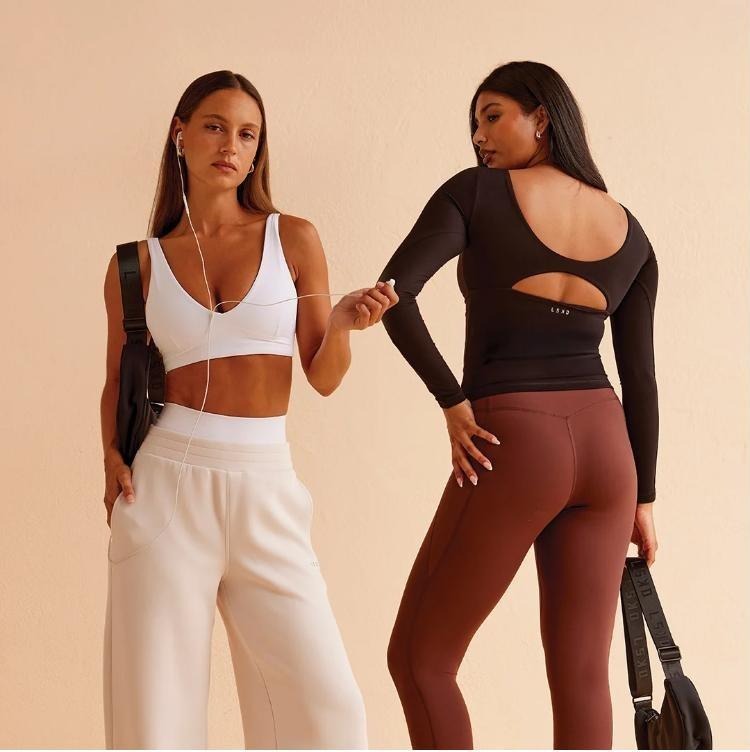
Image: LSKD (lskd.co)
Step 6: Buy Smart — App, Rewards and Free Shipping
Two minutes of admin makes the same kit cheaper. Download the LSKD app before your first order — the code APP15 takes 15% off your first app purchase. Shipping is free on every order, so there’s no minimum to game. Every purchase earns LSKD Rewards toward the next one, which suits running gear perfectly — it’s a category you rebuy on a cycle as kilometres retire things. And buy sets where they exist: the per-piece math on a matched kit routinely beats building the same outfit item by item.
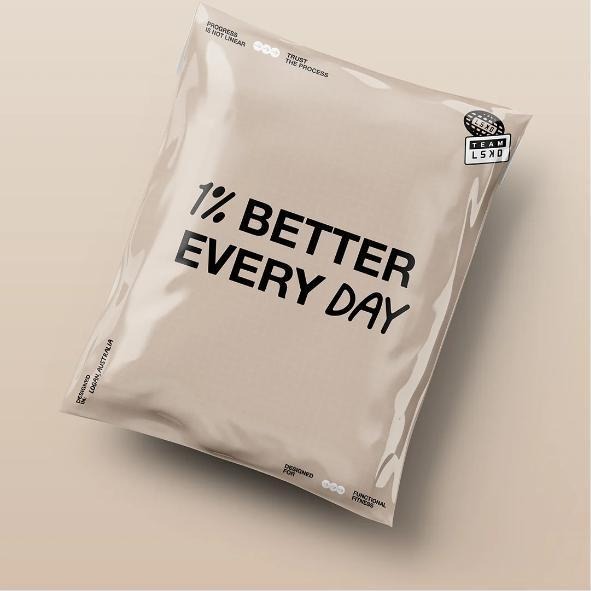
Image: LSKD (lskd.co)
Bonus: A 60-Second Pre-Run Kit Check
A few habits prevent the classic mid-run regrets. Check the weather, then dress for kilometre three, not the doorstep — you should feel slightly cool standing still. Glide or tape known chafe points before long runs, not after. Confirm reflectivity if any of the run is in the dark. Rotate kits so nothing goes out damp. And wash technical fabric cold without softener, air-dried — the dryer is where elastane and wicking go to die. None of this takes long, and all of it is free.
Three Mistakes This Playbook Prevents
First: running in borrowed gym gear. Running finds every flaw training forgives — liners, seams and saturation behave differently at stride cadence, and purpose-built pieces exist for a reason. Second: treating support and visibility as afterthoughts. The bra and the reflective details are safety equipment; buy them like it. Third: paying full price one piece at a time. The app discount, free shipping, rewards and set pricing quietly fund the rotation — ignoring them is a voluntary surcharge on a habit you’ll be rebuying for years.
Final Thoughts
The best running kit is the one you never think about after the first kilometre. Audit the runs you actually do, buy for the late kilometres, treat support and visibility as hard specs, run a three-kit rotation, and let the app and rewards fund the habit. LSKD builds running gear the way it builds everything — technical, street-smart, and priced for people who show up repeatedly — and its mantra fits this sport better than any other: 1% better every day, one unremarkable, comfortable, perfectly boring kilometre at a time.
Lace Up. Kit Up.
▶ EXPLORE THE RUNNING RANGE AT LSKD
Disclosure: This article contains affiliate links. If you make a purchase through them, Trenzios may earn a commission at no extra cost to you.