Build a kit around the work—not the wishlist
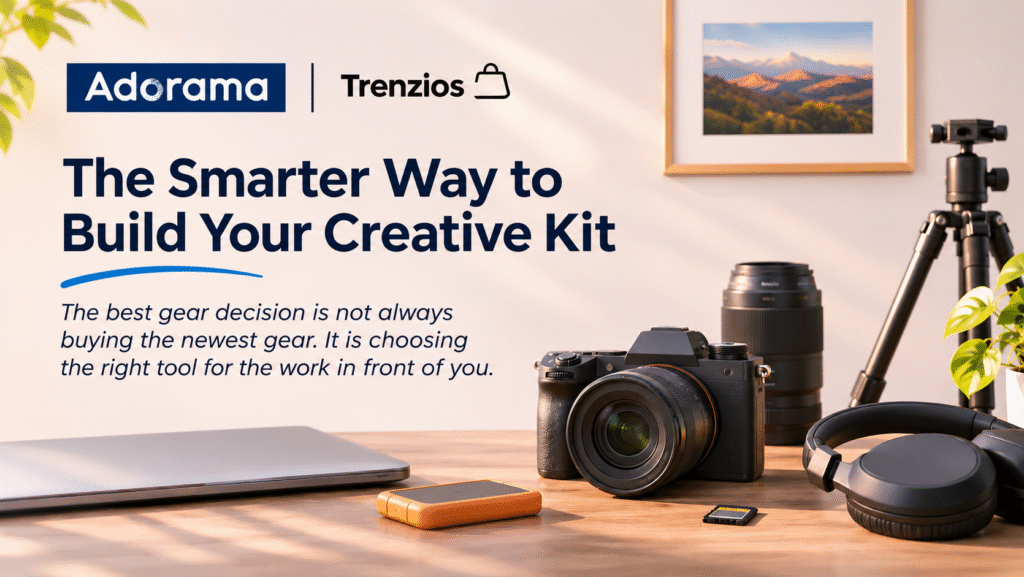
The best gear decision is not always buying the newest gear. It is choosing the right tool for the work in front of you. Creative gear has a way of multiplying. One camera leads to another lens, then a light, a microphone, a monitor and a bag to carry everything. But a bigger kit does not automatically make better photographs, films, podcasts or projects. A smarter approach is to think about how often you will use a piece of equipment, how important it is to your everyday workflow and whether you need to own it at all.
Adorama is useful to explore through this lens because its ecosystem extends beyond new cameras and electronics. Its website includes new and used equipment, a sell-or-trade option, and links to specialist rental services. That gives creators several ways to approach a gear decision rather than treating every purchase as permanent.
1. Buy new when reliability and daily use matter
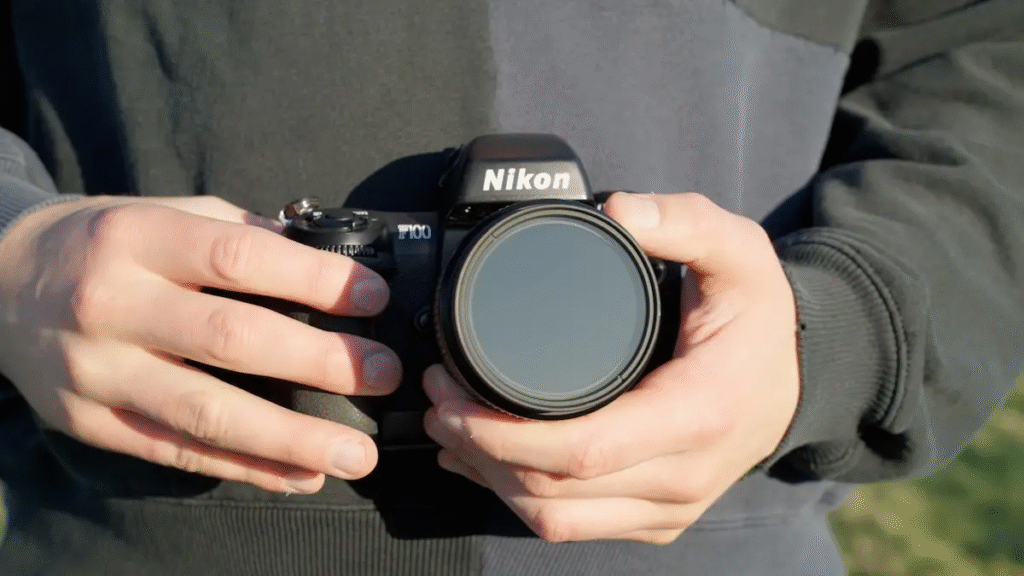
New equipment makes the most sense when a tool is central to your work and will be used regularly. Think of the camera body you take to every assignment, the computer you edit on each week or the audio interface that stays connected to your recording setup. In these cases, consistency, support and the exact features you need can matter more than simply finding the lowest upfront price.
Before purchasing, write down the actual jobs the equipment must perform. Check compatibility with the lenses, mounts, batteries, memory cards, software and accessories you already own. Read the warranty and return terms, and compare the complete cost of the setup—not just the headline price of the main device.
2. Consider pre-owned for gear that holds its value to you
Pre-owned equipment can be a practical route into a system, especially for lenses, accessories or a second body. It may also let an experienced creator add a specialist tool without paying for a brand-new item. Adorama has a dedicated used-equipment area, making it a place to compare available options.
Do not treat ‘used’ as a single condition. Read the specific listing carefully and check the stated condition, included accessories, return eligibility and warranty coverage. For cameras, understand the condition of the sensor, controls, ports and battery. For lenses, look for clear information about glass condition, focus operation and mount compatibility. If a listing does not answer an important question, ask before buying.
3. Rent when the project is temporary or experimental
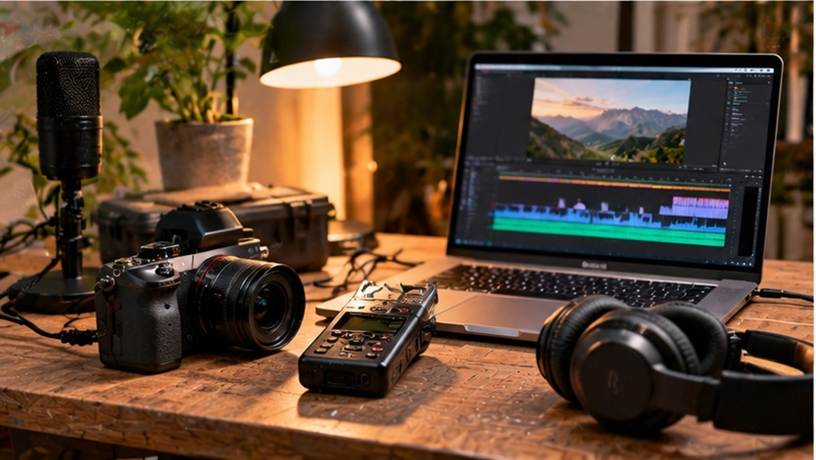
A one-week shoot, a client brief with unusual requirements or a camera you want to test before committing may not justify ownership. Renting can give you access to equipment for a defined project while avoiding the cost and storage burden of keeping it year-round. Adorama’s specialist rental operation lists categories including cameras, lenses, lighting, grip, audio and accessories, with online reservation and pickup or shipping options described on its rental site.
Plan rentals around the production schedule. Confirm the exact kit, rental period, insurance or damage terms, pickup and return arrangements, delivery buffer and whether you need time to test the equipment before the shoot. Build a backup plan for critical jobs.
4. Trade up when your current kit no longer fits
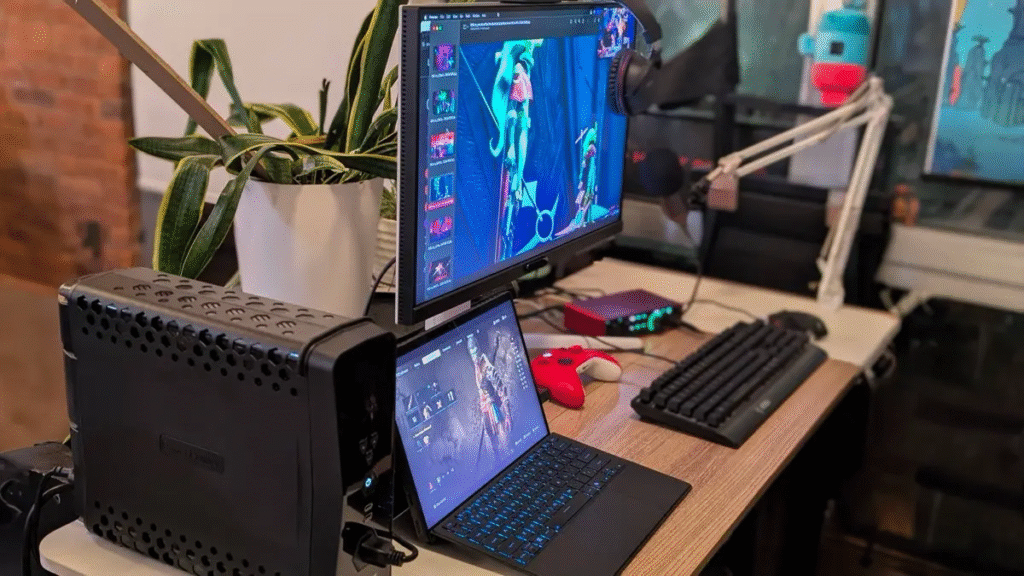
Sometimes the most sensible upgrade begins by reviewing what you already own. If a camera body is rarely used, a lens no longer suits your work or duplicate accessories are gathering dust, selling or trading equipment may help redirect value toward tools you will use more often. Adorama promotes a sell-or-trade service through its site; check the current eligibility, quote process, condition requirements and payment or trade-in terms.
Before sending anything in, back up and remove personal data, reset devices where appropriate, remove memory cards, gather original accessories and photograph the equipment’s condition. Compare the offered value with other realistic resale options and consider convenience as well as price.
A quick decision framework
- Used every week? Buying may make sense if the tool is essential and fits your workflow.
- Needed for one assignment? Compare rental cost with the total cost of ownership.
- Trying a new creative direction? Rent or borrow first to learn what features you genuinely need.
- Want to add a second or specialist item? Check pre-owned listings and condition details.
- A current item is sitting unused? Explore resale or trade-in before buying another upgrade.
The five-minute compatibility check
- Does it work with your camera mount, computer, operating system or existing accessories?
- Do you need additional batteries, storage, cables, adapters, stands or protective cases?
- Will the equipment fit your real shooting or recording environment?
- Can you afford the full setup, including any essential extras?
- Have you checked condition, warranty, return policy and delivery or rental timing?
Spend on the bottleneck, not the buzz
If your footage looks good but the sound is poor, another camera may not solve the problem. If your images are soft because of technique or focus, a premium lens may not be the first answer. Identify the part of your process that is limiting the result, then choose the smallest gear change that genuinely improves it. Sometimes that is a new purchase. Sometimes it is a pre-owned find, a short rental or simply learning to use what you already have.
Adorama brings several of these routes together across its retail, used-gear, trade-in and rental offerings. Use that choice to make a more considered decision—and leave more room in your budget for the work itself.
READY TO MAKE YOUR NEXT GEAR MOVE?
Affiliate disclosure: This article contains an affiliate link. If you make a purchase through it, the publisher may earn a commission at no additional cost to you.