A smarter 2026 gear guide for photographers, filmmakers and everyday creators
It’s easy to believe the next camera, lens or accessory will transform your work. Sometimes new gear really does unlock a capability you need. But often the better purchase is the one that fixes a specific frustration: autofocus that can’t keep up, audio that sounds distant, light that feels flat, or a workflow that takes twice as long as it should.
Adorama has served New York’s creative community since 1974 and today sells equipment across photography, video, lighting, audio, computers, drones, music and more. The challenge isn’t simply finding gear—it’s deciding what deserves your money first.
START WITH THE SHOT YOU CAN’T GET
Before opening a shopping tab, describe the shot, sound or result you keep missing. Make it specific.
- “My travel photos look flat indoors” points toward learning to use available light—or a small, portable lighting solution.
- “My interviews sound echoey” points toward microphone placement, room treatment or a suitable microphone before a camera upgrade.
- “I can’t get close enough to wildlife” points toward lens reach and stability, not necessarily a new camera body.
- “My product videos look inconsistent” points toward repeatable lighting, support and a controlled setup.
This simple diagnosis keeps a wishlist from turning into a pile of expensive gear that doesn’t address the real bottleneck.
THE FOUR-PART CREATOR KIT
Think in systems, not isolated products. A balanced kit usually has four jobs to cover:
1. Capture
Choose a camera or recording device that fits your subject and working style. Compare autofocus, low-light performance, resolution, size, battery life, recording limits and how comfortably it handles a full shoot—not just the headline specification.
2. Shape the image
The lens changes perspective and framing; lighting changes mood and consistency. For portraits, product photography and video, a well-chosen light or modifier can make a more visible difference than upgrading a camera body.
3. Keep it stable
Tripods, supports, grips, bags, batteries and storage rarely make the glamorous part of a setup, but they help you work reliably. Match them to the conditions you actually shoot in.
4. Make the sound usable
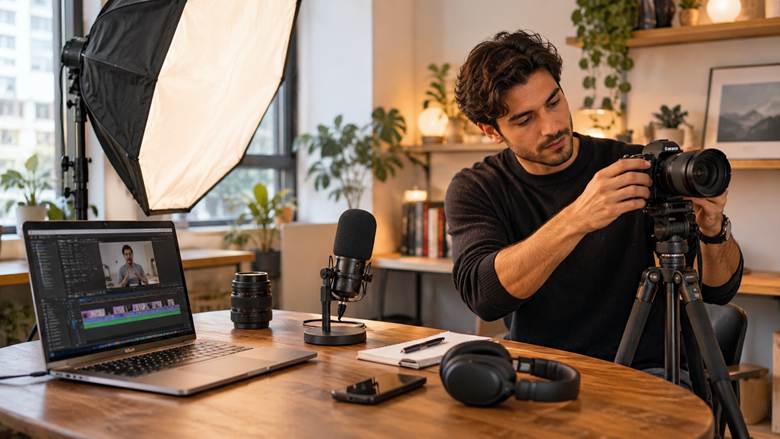
For video, audio is part of the finished image’s impact. A microphone, headphones or a more deliberate recording space may be the upgrade viewers notice most—even if they never see it.
Adorama’s catalogue spans cameras and lenses alongside studio lighting, video equipment, audio, tripods, accessories and other creator tools, making it possible to compare the pieces of a setup in one place.
THE BUYING TEST: RENT, BUY NEW OR GO PRE-OWNED?
Not every project needs a permanent purchase. Use this quick decision rule:
- RENT when the tool is expensive, specialised or needed for one short project. Adorama’s rental operation offers equipment for projects and professional work; check current availability, terms and location restrictions before planning around it.
- BUY NEW when reliability, a current feature set, manufacturer support or frequent daily use makes ownership worthwhile.
- CONSIDER PRE-OWNED when you know what you need and want to stretch your budget. Adorama says its used equipment is inspected and condition-rated; many items include a 30-day return policy and up to a 180-day Adorama warranty, with exclusions depending on condition and listing. Always read the exact product page.
Used gear can be a sensible way to try a new focal length or expand a kit, but compare the actual condition, included accessories, warranty and return terms—not just the price.
YOUR OLD GEAR MAY BE PART OF THE BUDGET
If a camera body or lens has been sitting unused since your last upgrade, check its resale or trade-in value before paying full price for the next item. Adorama’s sell-your-gear process starts with a quote, uses a prepaid insured shipping label, and provides an offer after inspection. If you accept, payment options include direct deposit, check or store credit; the final value can change after the equipment is evaluated.
Be honest about wear, faults and missing accessories when requesting a quote. Keep a record of what you send, pack equipment securely and wait for the inspected offer before counting the money toward your next purchase.
DON’T LET THE SPEC SHEET SHOP FOR YOU
A long list of impressive numbers can hide a poor fit. Before checkout, ask:
- Will this solve the problem I identified—or am I reacting to hype?
- Is it compatible with my current camera mount, batteries, memory cards, computer or workflow?
- What else do I need to make it usable? Include cards, batteries, cables, support and lighting in the real budget.
- Can I test the idea with something I already own, borrow or rent?
- Have I checked the current price, stock, return policy and warranty for this exact item?
If you can’t explain how the item will improve your next project, save it to a wishlist and revisit it after your next shoot.
A FIVE-MINUTE GEAR AUDIT
Open your last three projects and note what slowed you down or limited the result. Circle the problem that appeared most often. Then choose one category to investigate—camera, lens, light, audio, support or storage. Compare two or three suitable options, including pre-owned gear where appropriate, and write down the total cost of a complete working setup.
This approach makes the purchase about your work rather than about owning the newest product. It also gives you a simple way to judge success: did the upgrade make the next project easier, faster or better?
THE ADORAMA ADVANTAGE
Adorama’s breadth is useful when you’re building a complete setup or comparing alternatives across creative disciplines. Alongside new cameras and lenses, its site includes lighting, video, audio, computing, drones, music gear, deals and pre-owned equipment. The store also highlights expert advice and its New York City retail location. Availability, services and shipping terms depend on the product and destination, so verify details at checkout.
THE BOTTOM LINE
The best creative kit isn’t the one with the most expensive pieces. It’s the one that helps you make the work you actually want to make. Identify the bottleneck, build a balanced system, compare new and pre-owned options, and consider renting specialist equipment before committing.
READY FOR YOUR NEXT CREATIVE UPGRADE? EXPLORE CAMERAS, LENSES & CREATOR GEAR AT ADORAMA →
Affiliate Disclosure
This article contains an affiliate link. If you make a qualifying purchase through the link, we may earn a commission at no additional cost to you.